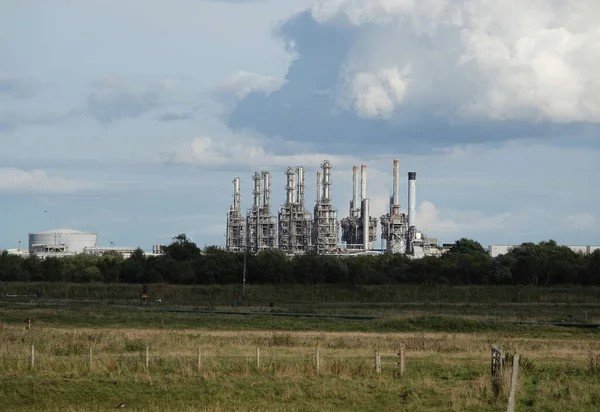
Back in 2016, I took the plunge and moved over to the North East of England. I ended up in one of the most deprived areas in the country, situated between Hartlepool and Middlesbrough, but I was absolutely fascinated by it.
I was close enough to the historic city of Durham, the creative culture of Newcastle, the beautiful coastline of Seaham and the glorious countryside and harbours of East Yorkshire – all without the price tag of living directly in the city.
When I first drove into the village, I was captivated by the skyline of Seaham; the contrast of heavy industry against the countryside landscape. I found beauty in this, where others perhaps didn’t. I regularly took walks between the village of Greatham, across the railway tracks where an old station once stood, serving the factory workers and through vast countryside towards Seaham. Throughout the journey, was an area where the sea flowed into, known for being home to seals, I was fortunate enough to spot them regularly. What was particularly odd however, was the overarching skyline of industrial buildings and smoke billowing from huge chimneys.
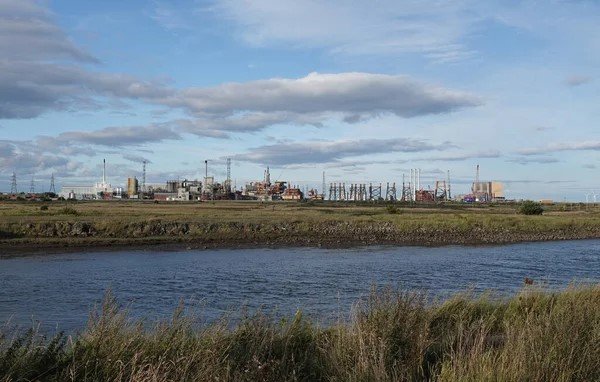
The first time I stood in front of Brent Delta (an old decommissioned oil rig), I was in complete awe. Majority of the local residents, saw it as a huge scar on the landscape, it had appears on local and national news stations and papers regularly, but I found myself amazed and surprised by my own emotional response perhaps.
After decades of producing oil and gas to fuel Europe’s homes and businesses, “the Delta” was to be recycled – virtually every last scrap of it.
I have since moved back to the North West, but will never forget my experiences of the North East, and recently the direction of my research has led me to reflect on those experiences; the conflicts and contrasts between agrarian and industrial revolution. I see industry as a necessity perhaps, and machinery and technology is fascinating, but equally I can appreciate the nomadic life, having myself escaped contemporary evolution for a life of sovereignty and solitude on the canal previously. I don’t think we can really escape it though, as I found myself fascinated by the history of the canal network from an industrial perspective – the development of transport was the pinnacle of life as we know it, afterall.



 Sara Dobson Art
Leave a comment